Main Content
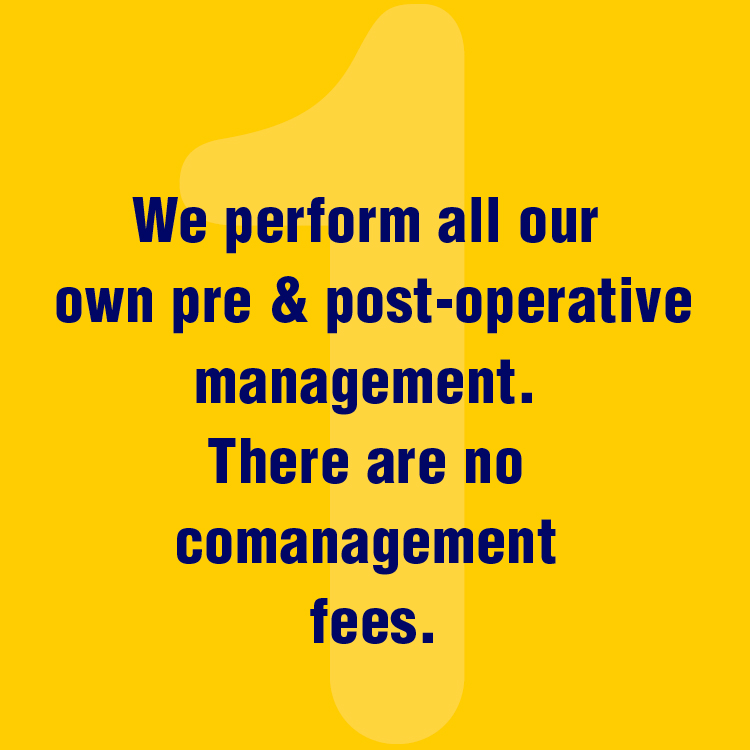
Comanagement Fees
can exceed $500 per eye
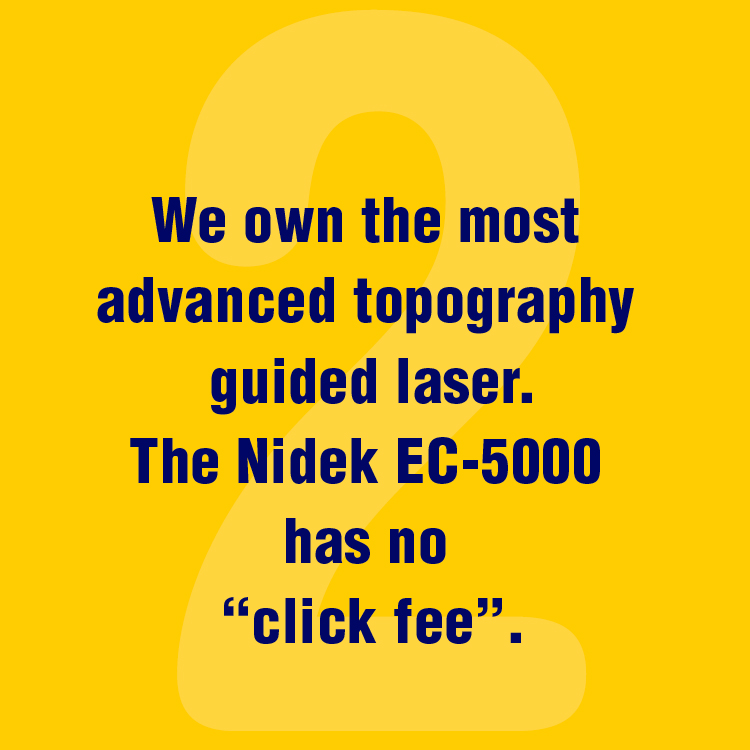
Click Fees
can run as much as $250

Advertising
Print, TV, and Radio ads are very expensive

We are the original value-based LASIK provider in the Philadelphia area.
Our surgeon, James S. Lewis, MD began performing value priced LASIK in 1998. 10,000 successful procedures later we have the same commitment to quality, affordability, and state of-the-art refractive surgery.
For more information visit LewisLASIK.com
I could not speak higher praise of Dr. Lewis, Dr. Devlin and their entire support staff. From my initial consultation, though the surgery, recovery time and follow ups the entire team at Dr. Lewis' practice has been supportive, straight forward and professional. I am a 20-something who was look ...read more

I just want to say that I had Lasik surgery with Dr. Lewis. He is the ultimate professional. His office and staff are top notch and the follow up visits are convenient and thorough. I also was seen and followed up by Dr. Devlin, who is a wonderful doctor. Dr. Devlin and Dr. Lewis put you at ease a ...read more

This guy is one of the best out there. His facility is state of the art. The staff are great. You may have to wait a bit, but what do you expect when you are being seen by a renowned expert! I trust him with my eyes and would go no where else to have eye surgery.

Awesome experience from auxiliary staff to the Doc himself. Everyone very courteous and helpful and delivered with a smile. They take the time to explain what they are doing, what is being checked, what they recommend, etc. My eyesite after surgery is wonderful and NO drop prior or after surgery. Ev ...read more
Top notch LASIK provider (costing surprisingly less than the competition). Total confidence, more equipment than the other places I evaluated, and committed to my success.
Dr Lewis performed a Lasik touchup on both of my eyes, correcting a minor defect on my left eye from a previous lasik; he also inserted punctual plugs which helped with dry-eye condition. My vision was superb. I would trust Dr Lewis' opinion and expertise above all the other eye doctors I have ...read more

I went to Dr. Lewis to have Lasik done and absolutely love it. Dr. Lewis is extremely knowledgeable and took the time to research my case due to me having stigmatisms and -4.5 prescription. He was friendly, I felt well attended to, and I was impressed with the technology in the office. I have referr ...read more
Dr. Lewis and his staff are great. Professional and friendly all around. Highly recommend this office.
Amazing surgeon with excellent staff. Highly recommend
I have the highest regard for the surgical skills of Dr Lewis and his team. That's why I recommend Lewis Lasik to my own patients!
I had it, love it & love my drs! It was a great experience...the website is ihatemyglasses.com
You could never be thanked enough For always doing such nice stuff!
Thank You, You guys are the best! I can’t thank you enough! “eye love it”

Great staff; great results; it was worth every cent and Epi-LASIK recovery time to use my naked eyes again (hopefully my eyes will stay stable for a long time)
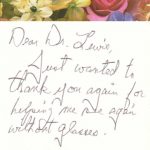
Dear Dr. Lewis,
Just wanted to thank you again for helping me see again without glasses,
Love, Pat
P.S. You have a great personality. I loved the way you presented yourself to me.
Dear Dr. Lewis
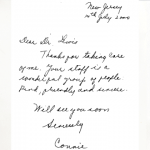
Thanks for taking care of me. Your staff is a wonderful group of people. Kind, friendly and sincere.
Will see you soon. Sincerly, Connie